

Dental Services at Dr. Ahmad Khedri's Office
Implantology
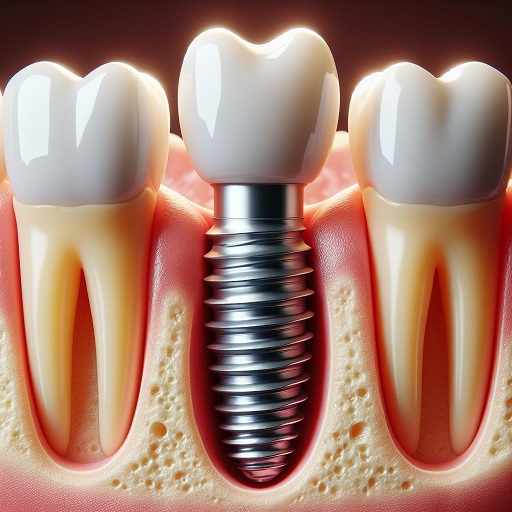
🦷Implantology is the branch of dentistry that deals with the permanent implantation of artificial teeth in the jaw. Dental implants are prosthetic devices that interface with the bone of the jaw or skull to support a dental prosthesis such as a crown, bridge, denture, or facial prosthesis or to act as an orthodontic anchor. Implantology is a complex and interdisciplinary field that requires extensive clinical training and updated evidence-based knowledge in all areas of implant dentistry and tissue regeneration. Implantology can improve the quality of life of patients who have missing or damaged teeth by restoring their function and aesthetics.
Dental Laminates and Veneers
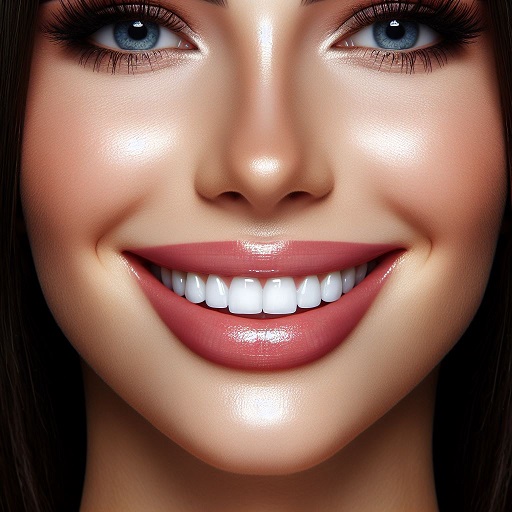
🦷Dental laminates and veneers are both cosmetic dental procedures that can improve the appearance of your teeth. They are
thin shells of tooth-colored material that are bonded to the front surface of your teeth, changing their color, shape, size,
or length. However, they have some differences that you should know before choosing one of them.
Dental veneers are usually made of porcelain or composite resin, and they require some enamel removal and reshaping of your
teeth to fit them. This makes them more durable and stable, but also irreversible. They can last up to 10 years with proper
care, and they resist stains better than resin veneers. They also have a natural look and feel, and can correct various dental
issues, such as crooked, chipped, or gapped teeth.
Dental laminates are a type of porcelain veneer that are much thinner and lighter than standard veneers. They do not require
much or any enamel removal, and they preserve the natural structure of your teeth. This makes them less invasive and more
reversible, but also less flexible and strong. They can last up to 5 years with proper care, and they are best suited for minor
cosmetic changes, such as discoloration or small chips.
Both dental laminates and veneers have their pros and cons, and the best option for you depends on your dental condition,
preferences, and budget. You can consult with your dentist to find out more about these procedures and decide which one
is right for you.
Crown Lengthening for Short Teeth
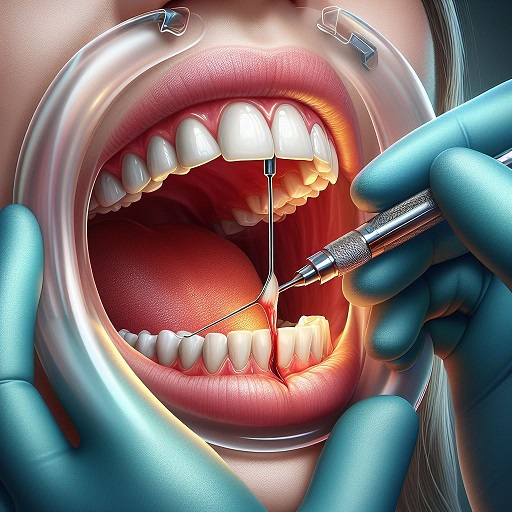
🦷Crown lengthening is a dental procedure that can make short teeth look longer by removing excess gum tissue and sometimes bone around the teeth. It can be done for cosmetic reasons, such as improving a gummy smile, or for medical reasons, such as exposing more tooth structure for a dental crown or filling. Crown lengthening is usually performed by a periodontist, a dentist who specializes in gum health. The procedure may involve different techniques, such as gingivectomy, apically repositioned flap surgery, or surgical extrusion. Crown lengthening requires some preparation and recovery, and it is not suitable for everyone. You can consult with your dentist to find out more about this procedure and whether it is right for you.
Tooth Bonding
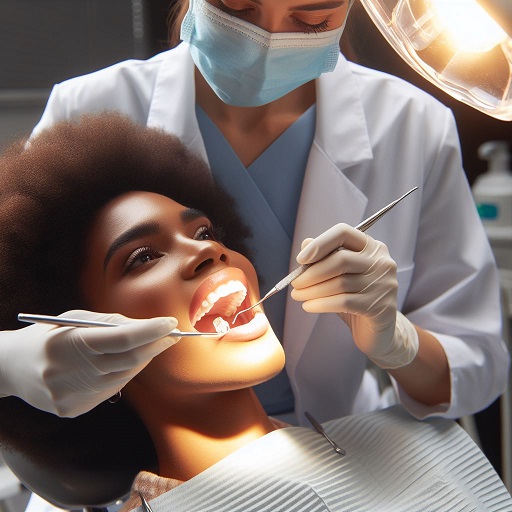
🦷Tooth bonding is a cosmetic dental procedure that uses a tooth-colored composite resin material to repair or improve the appearance of your teeth. It can be used to fix chips, cracks, gaps, discoloration, or cavities. The procedure is simple, fast, and relatively inexpensive compared to other options like crowns or veneers.
Deep Cleaning
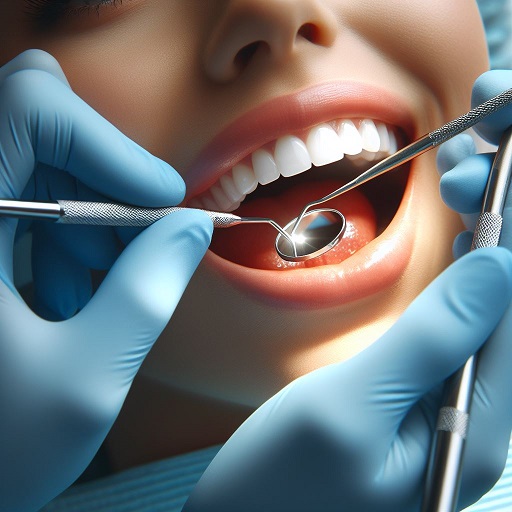
🦷Deep cleaning in dentistry is a procedure that involves scaling and root planing. Scaling is the removal of plaque and tartar from the teeth and below the gumline. Root planing is the smoothing of the tooth roots to help the gums reattach to the teeth. Deep cleaning is recommended for people who have gum disease or a high risk of developing it. The benefits of deep cleaning include stopping the progression of gum disease, improving gum health, eliminating bad breath, and preventing tooth loss. The disadvantages of deep cleaning include pain and sensitivity, gum recession, risk of infection, and in rare cases, nerve damage.
Correction of Dentofacial Deformity
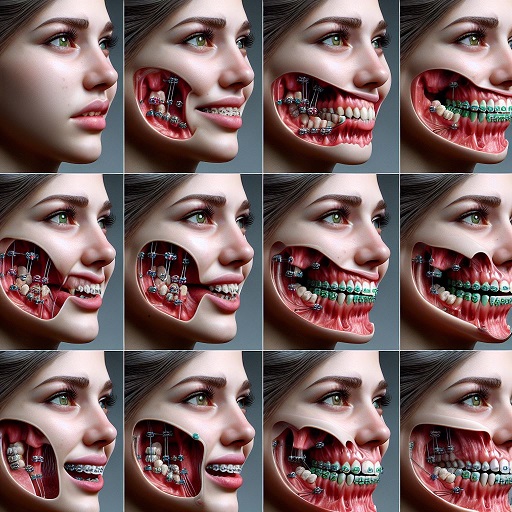
🦷Correction of Dentofacial Deformity is the term used to describe the treatment of patients who have malocclusion (abnormal bite) and facial abnormalities caused by a mismatch between the size and shape of the upper and lower jaws. This treatment usually involves a combination of orthodontic and surgical procedures to reposition the teeth and the jaw structures, and to improve the function and appearance of the face.
Gum Surgery
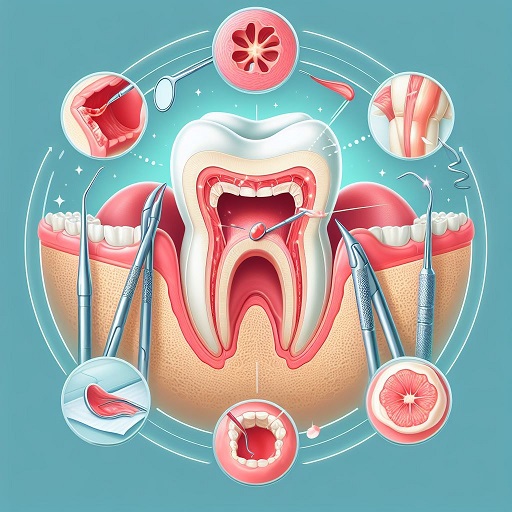
🦷Gum surgery is a dental procedure that treats gum diseases and conditions by removing bacteria, repairing bone and tissue damage, and improving gum appearance. There are different types of gum surgery, such as flap surgery, bone grafting, guided tissue regeneration, and gum grafting. The recovery time may vary, but it usually takes one to two weeks.
Wisdom Tooth Surgery
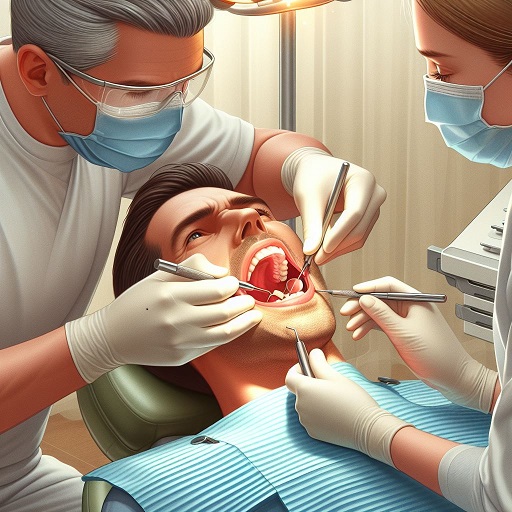
🦷Wisdom tooth surgery is a procedure to remove one or more wisdom teeth, which are the four permanent adult teeth located at the back corners of your mouth on the top and bottom. Wisdom teeth usually appear between the ages of 17 and 25, but they can cause problems if they are impacted, infected, decayed, or damaging the surrounding teeth or bone. Wisdom tooth surgery is typically performed by a dentist or an oral surgeon under local or general anesthesia. The surgery involves making a small incision in the gum, removing the tooth (sometimes in pieces), and stitching the wound closed. The recovery time varies depending on the number and complexity of the extractions, but it usually takes a few days to a week. Some possible complications of wisdom tooth surgery include bleeding, infection, dry socket, nerve damage, and sinus problems.
Fixed and Removable Prosthetics
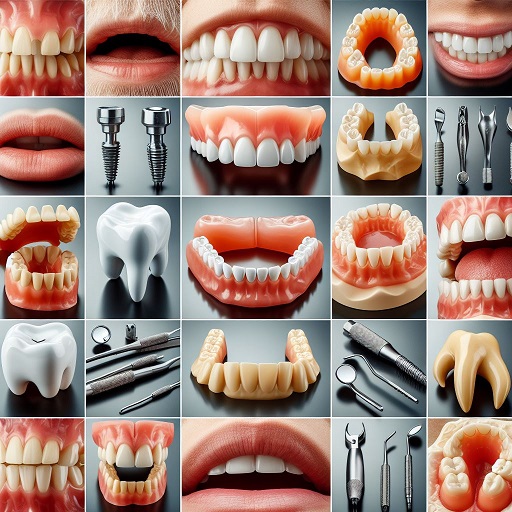
🦷Fixed and removable prosthetics are two types of dental restorations that can replace missing or damaged teeth. Fixed prosthetics, such as crowns, bridges, or implants, are attached to the natural teeth or jawbone and cannot be removed by the patient. Removable prosthetics, such as dentures or partials, can be taken out and cleaned by the patient. Both types of prosthetics have advantages and disadvantages, depending on the patient’s needs, preferences, and oral health.
Some factors that may influence the choice between fixed and removable prosthetics are:
- The number and location of missing teeth
- The condition and quality of the remaining teeth and gums
- The amount and density of the jawbone
- The esthetic and functional expectations of the patient
- The cost and maintenance of the prosthetic
- The patient’s comfort and convenience
Generally, fixed prosthetics are more stable, durable, and natural-looking than removable prosthetics. They also help preserve the jawbone
and prevent further tooth loss. However, fixed prosthetics are more expensive, invasive, and complex to place and repair. They may also
require more adjustments and follow-ups. Removable prosthetics are more affordable, easy to fit and modify, and less likely to cause
complications. However, removable prosthetics are less comfortable, secure, and realistic than fixed prosthetics. They also require more
care and cleaning, and may cause bone loss and irritation over time.
Ultimately, the best type of prosthetic for each patient depends on their individual situation and goals. A dentist can help evaluate the
options and recommend the most suitable solution.
Flexible Dentures
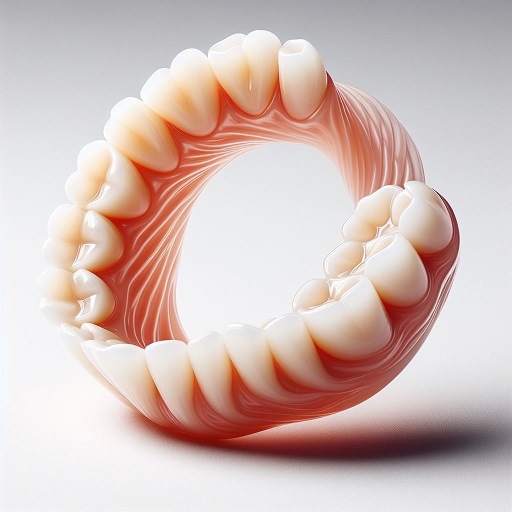
🦷Flexible dentures are a type of partial denture that are made from a thin thermoplastic material, such as nylon, that bends and flexes to fit your mouth. They are different from conventional dentures, which are usually made from acrylic resin with a metal base. Flexible dentures have some advantages and disadvantages, such as:
- They are more comfortable, natural-looking, and less likely to cause allergic reactions than metal dentures.
- They are stronger and more durable than plastic dentures, and do not require metal clasps or adhesive to stay in place.
- They are more expensive and harder to adjust than metal dentures, and they cannot be used to replace a full arch of missing teeth.
- They are more prone to bacterial buildup and require careful cleaning to avoid staining and odor.
If you are interested in flexible dentures, you should consult your dental professional for their recommendation and expertise.
Endodontics
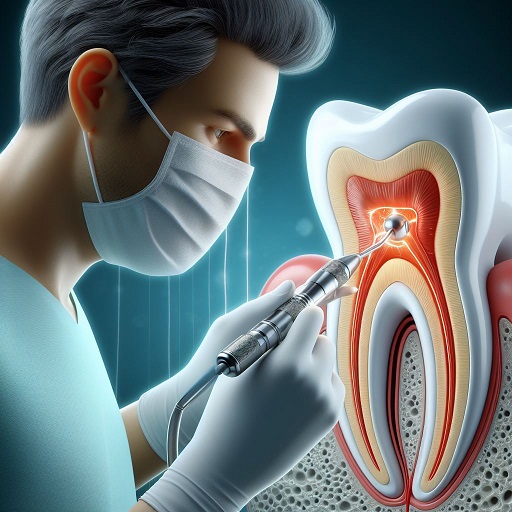
🦷Endodontics is a branch of dentistry that deals with the diagnosis and treatment of diseases and injuries of the dental pulp and the tissues
surrounding the root of a tooth1 The dental pulp is the soft tissue core of the tooth that contains nerves, blood vessels, and connective tissue.
The most common procedure performed by endodontists is a root canal, which involves removing the infected or damaged pulp, cleaning and shaping
the root canal, and filling and sealing the space. Root canal treatment can save a tooth that might otherwise have to be extracted, and relieve
pain and inflammation caused by pulp infection.
Tooth-Colored Restoration
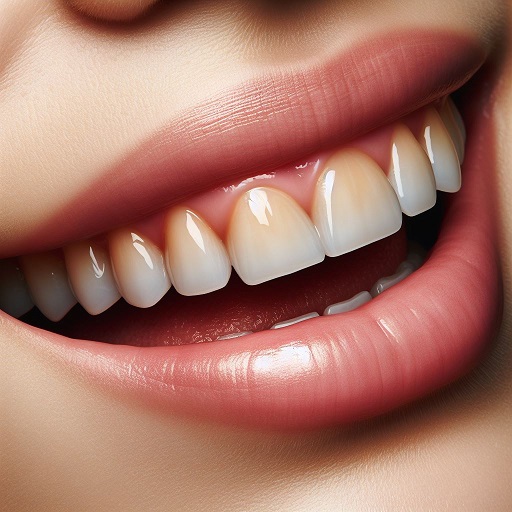
🦷Tooth-colored restoration is a dental procedure that uses a resin or plastic material that matches the color of your natural teeth to fill
cavities, repair cracks, or improve the appearance of your teeth. Tooth-colored restoration can also be called composite filling, resin filling,
or white filling.
Tooth-colored restoration has several advantages over other types of dental fillings, such as silver amalgam or gold. Some of these advantages are:
- It looks more natural and aesthetic, as it blends in with your teeth color.
- It bonds directly to your tooth structure, making it stronger and more durable.
- It requires less removal of healthy tooth tissue, preserving more of your natural tooth.
- It is less sensitive to temperature changes and less likely to cause allergies or irritation.
Tooth-colored restoration is a safe and effective way to restore your teeth and smile. If you are interested in this procedure, you can talk to your dentist or prosthodontist about the best options for you.
Dental Bleaching
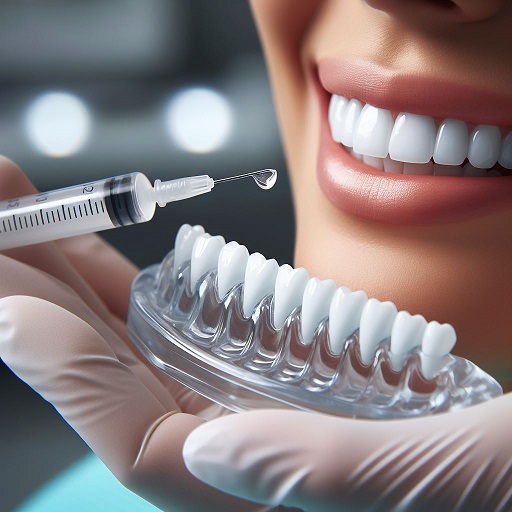
🦷Dental bleaching is a process that aims to make teeth appear whiter by removing or lightening stains. It can be done by a dentist or at home using various products that contain bleaching agents such as peroxide. Dental bleaching can improve the appearance of teeth, but it may also cause some side effects such as tooth sensitivity and gum irritation. Therefore, it is important to follow the instructions and consult a dentist before trying any teeth whitening method.